
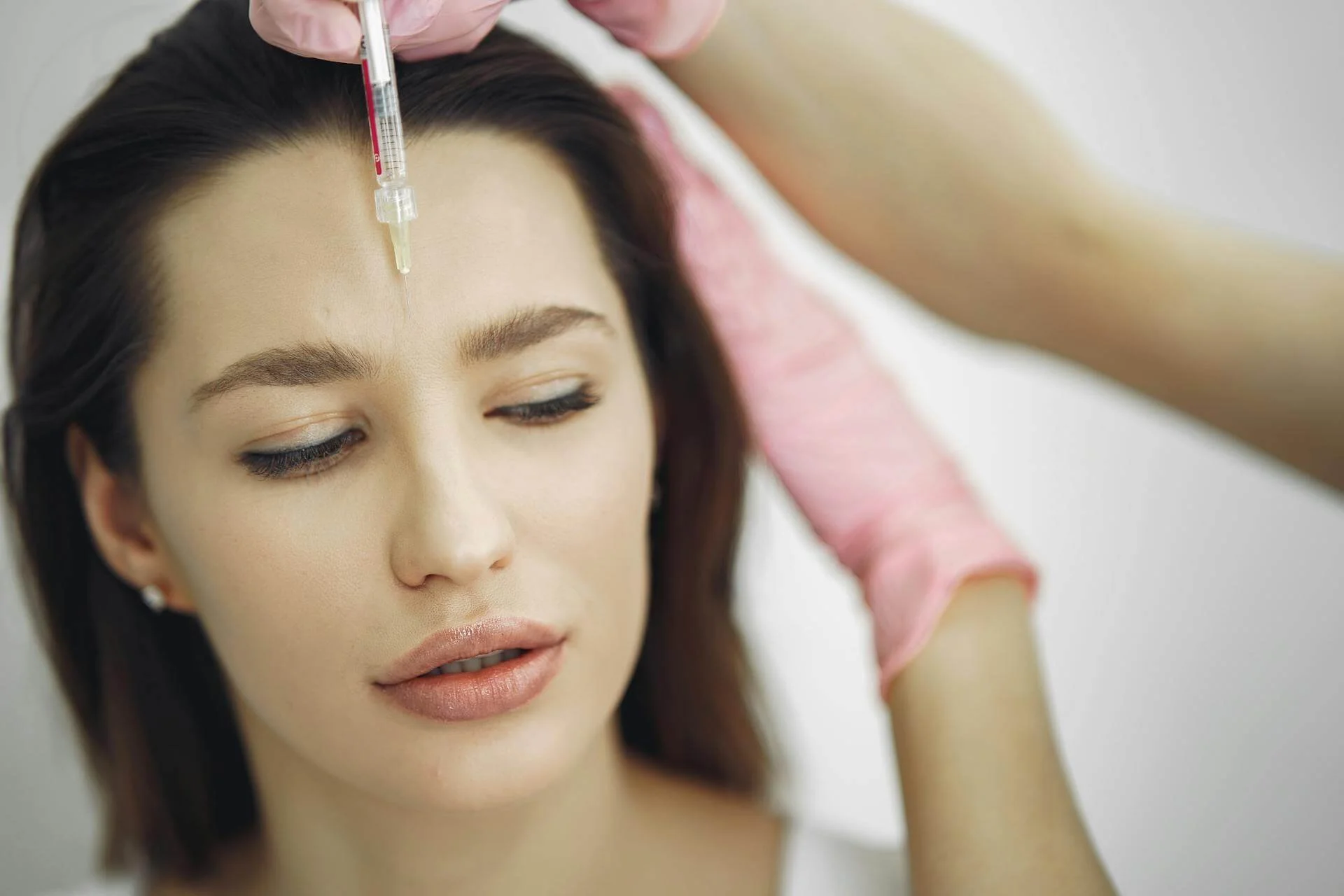
One of the most common questions people ask about Botox is surprisingly simple: “When should I start?” Some people assume Botox is only for individuals who already have visible wrinkles, while others are interested in preventative treatments before deeper lines begin to develop.
The truth is that there is no single age that works for everyone. The ideal time to start treatment depends on factors such as genetics, facial expressions, sun exposure, skincare habits, and your personal aesthetic goals. Many people exploring Botox are surprised to learn that timing is often more important than age alone when it comes to maintaining smoother, younger-looking skin.
Why Wrinkles Form in the First Place
Facial expressions are a natural part of everyday life. Smiling, laughing, frowning, squinting, and raising your eyebrows all cause the muscles beneath the skin to contract repeatedly over time.
When we're younger, the skin easily bounces back after these movements because collagen and elastin levels are higher. As we age, the skin gradually loses elasticity and begins to retain those expression lines. What may start as temporary creases can eventually become visible wrinkles that remain even when the face is at rest.
This is where Botox can play a role by temporarily relaxing targeted muscles responsible for creating repetitive expression lines.
Botox in Your 20s – Is It Too Early?
Many people in their twenties are not treating visible wrinkles but are instead interested in prevention. This approach is often referred to as preventative Botox.
Patients who naturally have strong facial expressions or who notice faint lines beginning to linger after smiling or frowning may choose to start treatment earlier. The goal is not to freeze facial movement but to reduce repetitive muscle activity that contributes to wrinkle formation over time.
However, not everyone in their twenties needs Botox treatment. A professional consultation can help determine whether treatment would provide meaningful benefits based on your individual skin and facial anatomy.
Why Many People Start Botox in Their 30s
For many individuals, the thirties are when expression lines become more noticeable. Fine lines across the forehead, between the eyebrows, and around the eyes often begin to linger longer than they did in earlier years.
At this stage, Botox can help soften existing lines while also helping prevent them from becoming deeper. Because wrinkles are typically still relatively mild, patients often achieve natural-looking results with conservative treatment plans.
This age range is frequently considered an ideal time to begin treatment because it allows patients to address early signs of aging before deeper lines become established.
Botox in Your 40s and Beyond
Starting Botox later in life can still provide excellent results. Many patients begin treatment in their forties, fifties, or even later and enjoy smoother, more refreshed-looking skin.
While Botox cannot completely erase deep static wrinkles that have been present for years, it can soften their appearance and help prevent them from worsening. In some cases, Botox injection may also be combined with other aesthetic treatments to address volume loss, skin texture concerns, or deeper signs of aging.
The key takeaway is that it is rarely "too late" to benefit from treatment.
Signs You May Be Ready for Botox
Rather than focusing only on age, it can be helpful to pay attention to changes in your skin.
You may be ready to consider Botox if you notice:
Forehead lines that remain visible after expressions relax
Frown lines between the eyebrows
Crow's feet becoming more noticeable
Makeup settling into fine lines
Early signs of facial aging that concern you
A desire to take a preventative approach to wrinkle formation
Every face ages differently, which is why treatment recommendations are highly individualized.
The Importance of a Natural Approach
One reason some people hesitate to start a Botox procedure is the fear of looking frozen or unnatural. Modern treatment techniques focus on subtle enhancement rather than eliminating all movement.
The goal is typically to soften lines while preserving natural facial expressions. When performed by experienced providers, Botox can create a refreshed appearance that still looks like you.
Starting treatment earlier does not necessarily mean receiving large amounts of product. In many cases, smaller preventative treatments can produce very natural-looking results.
Finding the Right Time for You
The best time to start Botox is not determined by a specific birthday. It depends on your facial anatomy, skin condition, aesthetic goals, and how proactively you want to address aging concerns.
Some people begin treatment in their twenties to help prevent future wrinkles, while others wait until they see visible lines developing in their thirties or forties. Both approaches can be effective when guided by a personalized treatment plan.
If you're interested in learning more about treatment longevity, you may also find our guide on How Long Does Botox Last? helpful as you research your options.
Ultimately, the goal is not to chase a particular age but to choose a treatment timeline that aligns with your needs and helps you feel confident in your skin. Working with the experienced team at REV Med Spa can help you determine the right approach based on your unique goals and create a customized plan designed to deliver natural-looking, long-lasting results.